
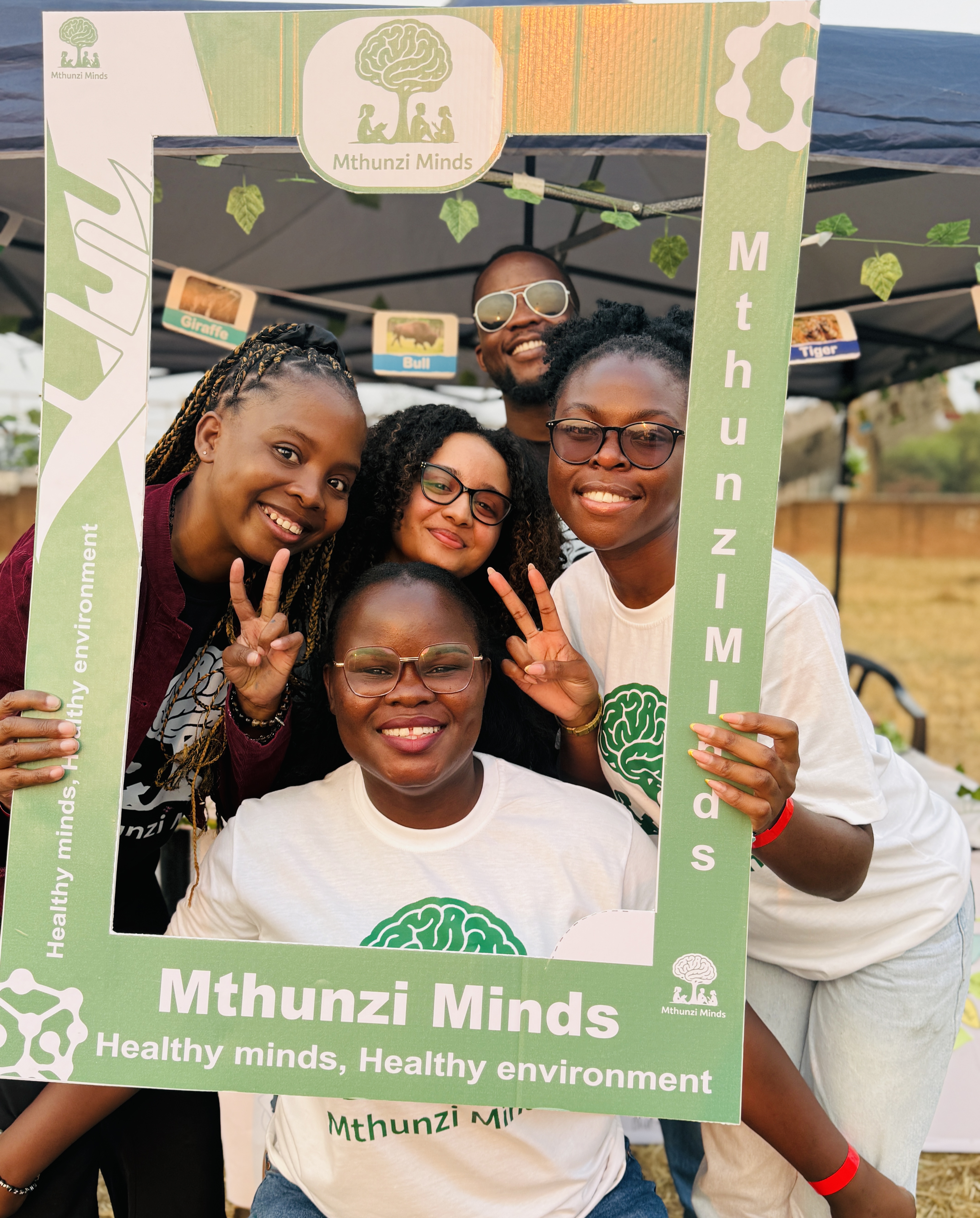
Mental health conversations become more meaningful when people have a safe space to connect, express themselves, learn, and simply be heard.
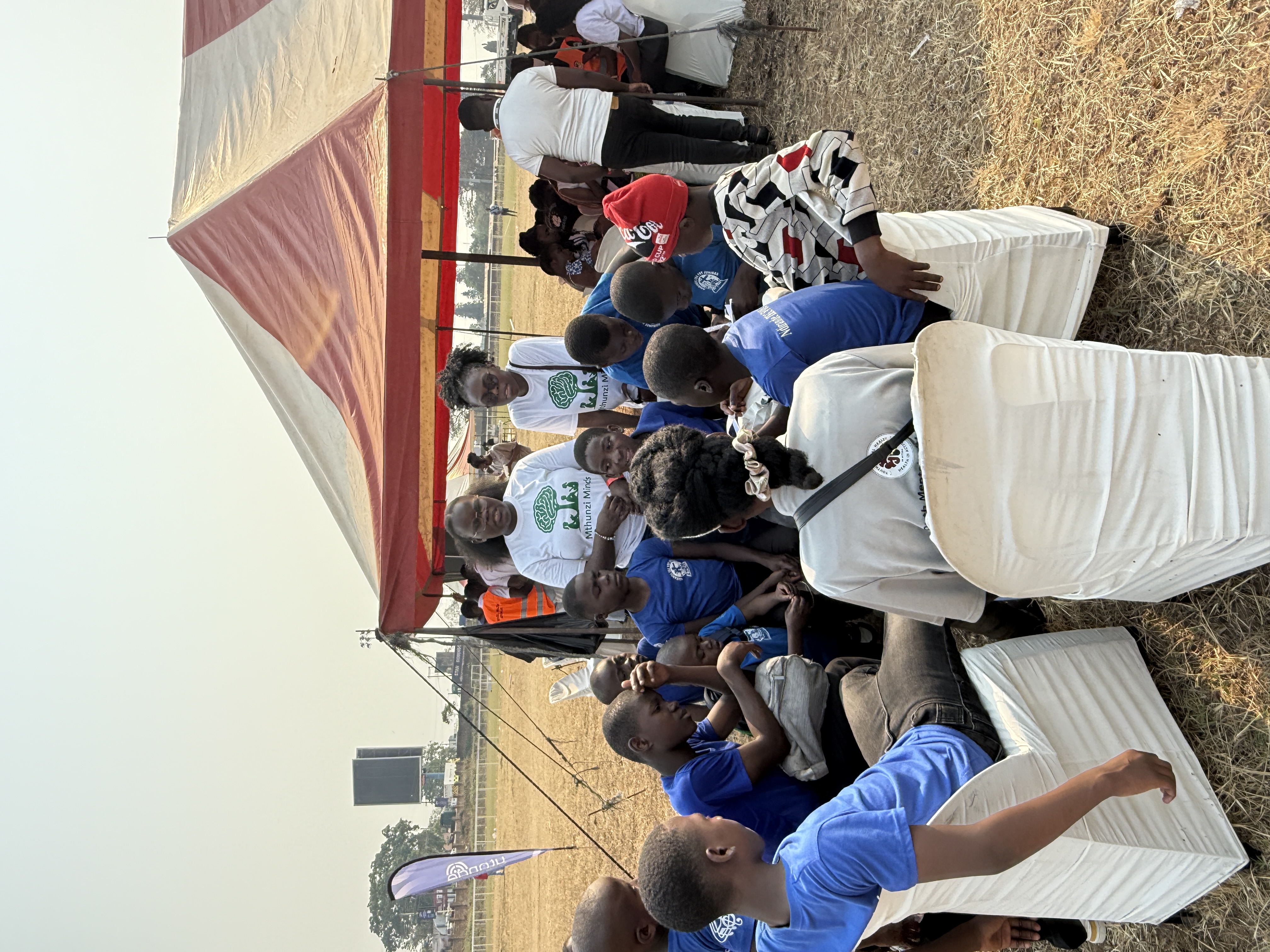
On Saturday, Mthunzi Minds joined young people, mental health practitioners, educators, organisations, and community actors at the 2026 Youth Mental Health Festival, held at Chichiri Upper Stadium in Blantyre.
The festival brought together people from different backgrounds to create an open and engaging space for conversations around mental health, resilience, relationships, substance use, self-expression, and overall wellbeing.
But it wasn\'t just about conversations. Music, dance, creative activities, workshops, and other interactive experiences helped create an environment where young people could connect with mental health in a way that felt accessible, practical, and relevant to their everyday lives.
Creating Space for Mental Wellbeing
For Mthunzi Minds, the festival was an opportunity to listen, learn, connect, and contribute to the growing conversation around mental health in Malawi.
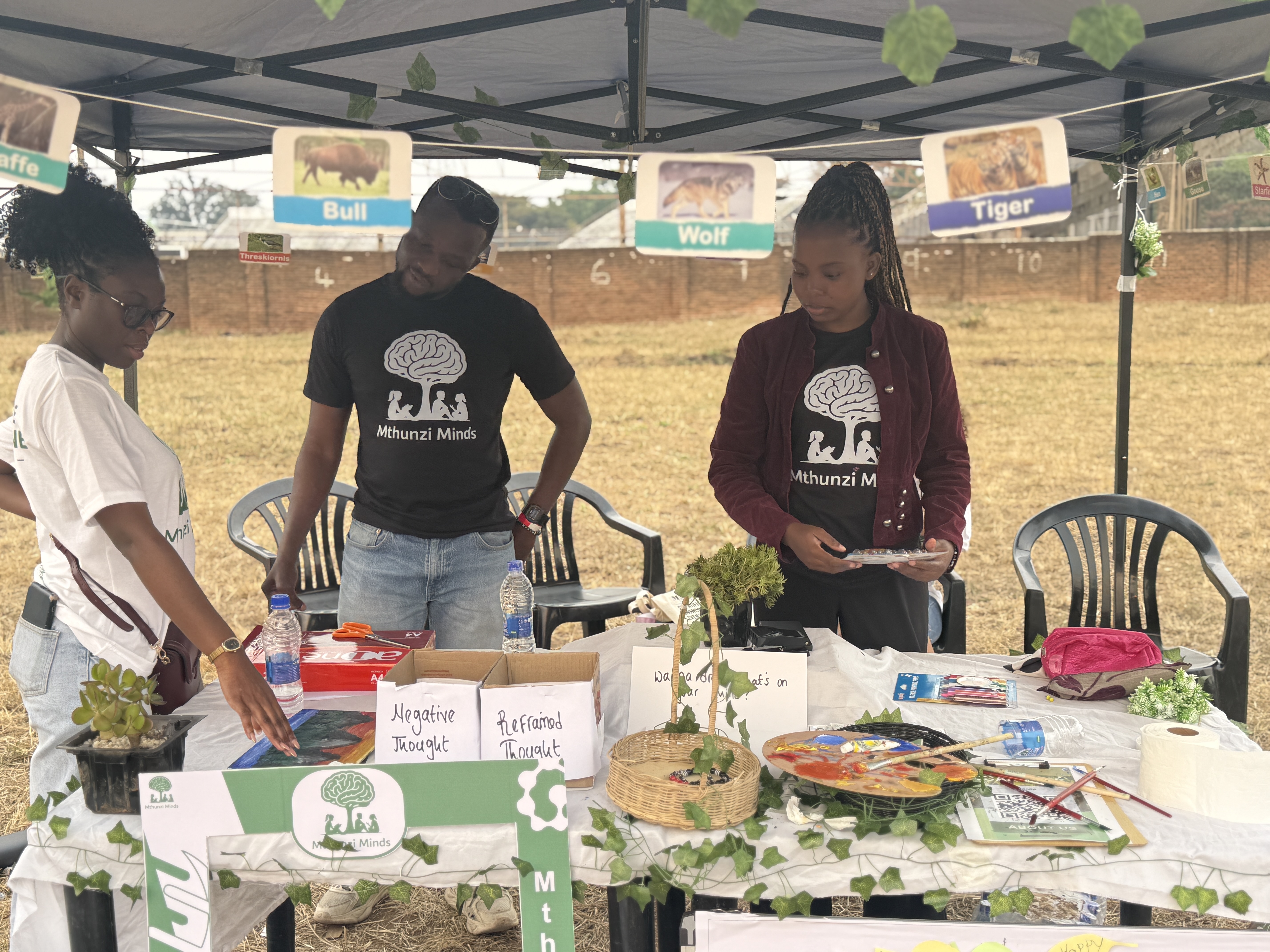
We brought our own little space to the festival through a number of interactive activities designed to encourage reflection and conversations about wellbeing. These included our Wellness Tree, thought-reframing activity, wellness bracelets, and creative expression activities.
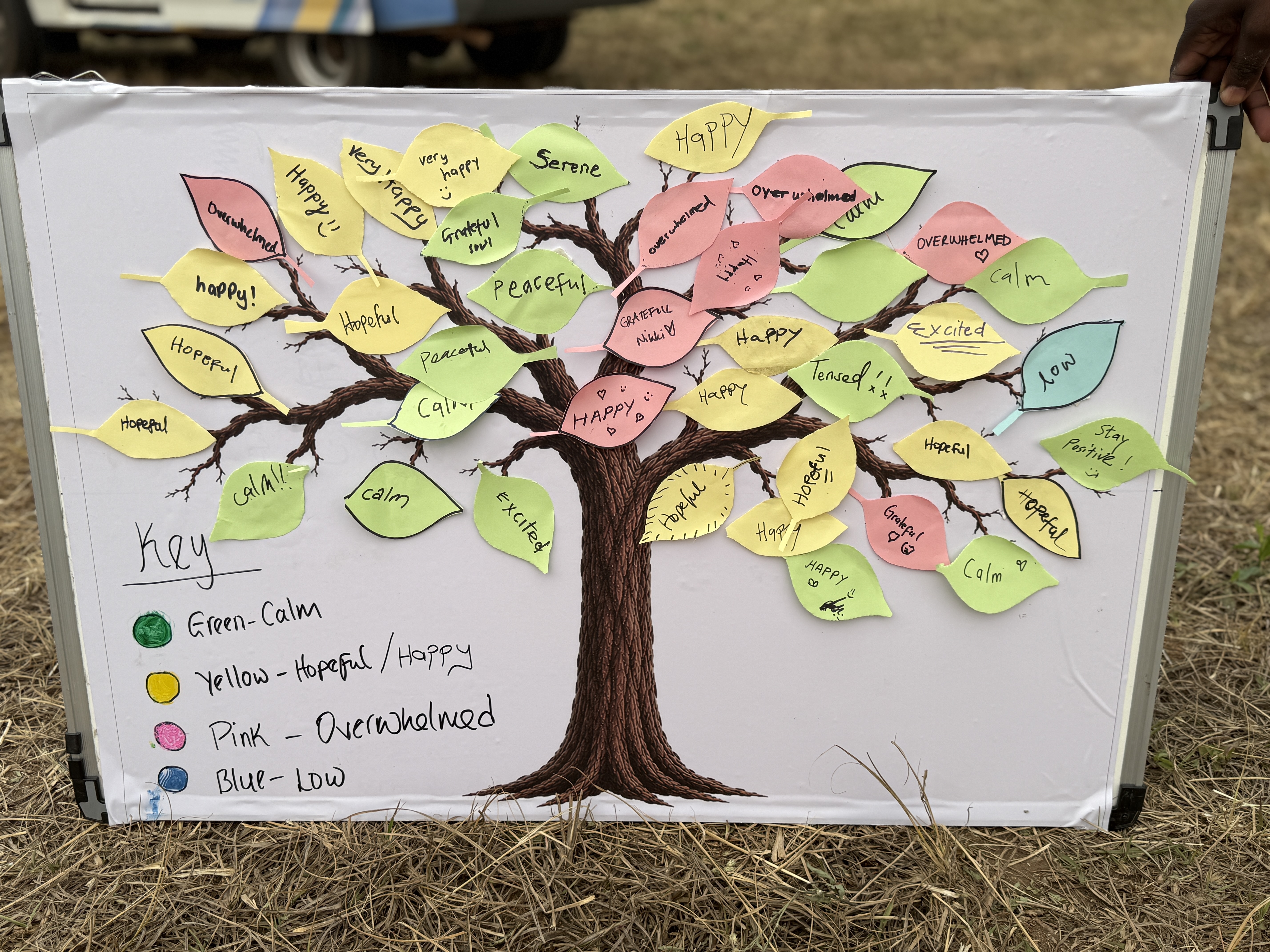
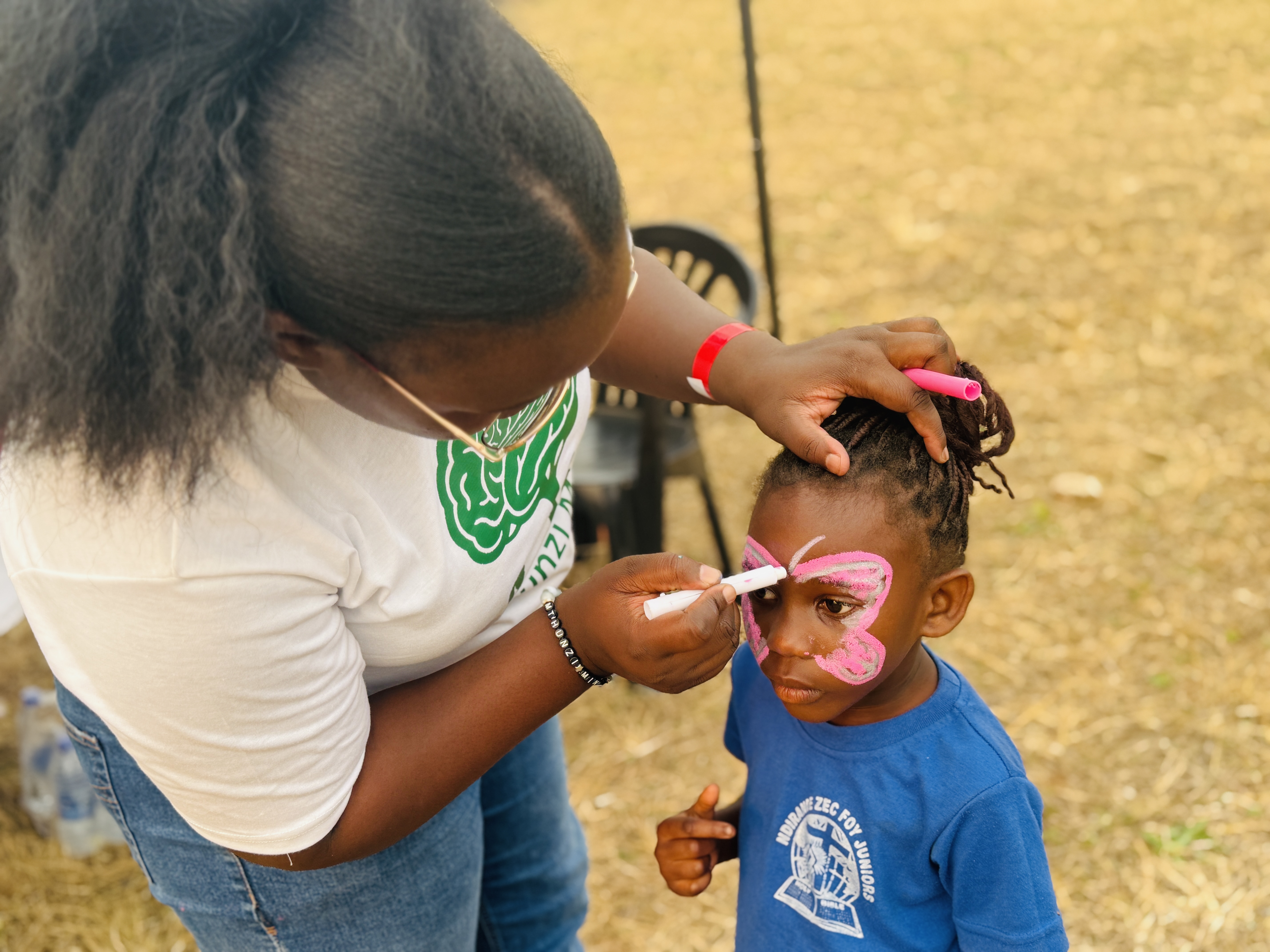
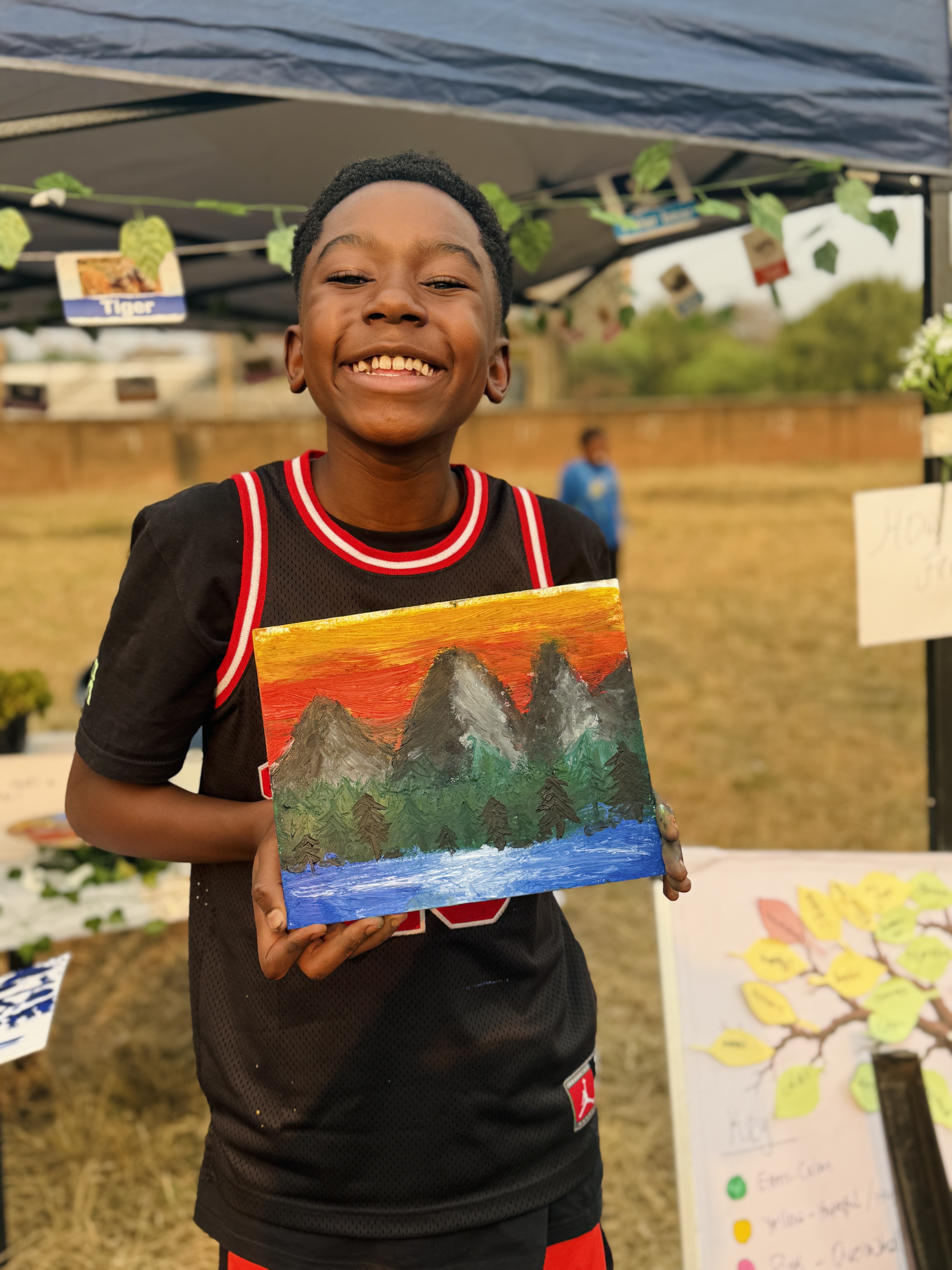
These simple activities created opportunities for participants to pause, reflect on their thoughts and feelings, and explore different ways of looking after their mental wellbeing.
Sometimes, mental health awareness does not have to begin with a complicated conversation. It can begin with a question, a drawing, a bracelet, a shared experience, or simply having someone willing to listen.
Connecting Mental Health and Our Environment
At Mthunzi Minds, we believe that healthy minds and healthy environments are closely connected.
Our participation also gave us an opportunity to contribute to conversations around nature and mental wellbeing. Spending time in nature, caring for our surroundings, and creating healthier spaces can contribute to our overall sense of wellbeing.
This reflects our broader approach of connecting mental health awareness with environmental sustainability. Through initiatives such as tree planting and creating supportive community spaces, we continue to explore how the environments around us can help create healthier communities.
Supporting Mental Health Literacy
The festival also provided an opportunity to engage around the localisation of the Mental Health Literacy e-Curriculum (MHLec) project.
Mental health literacy is important because people need more than awareness—they need knowledge and confidence to recognise mental health challenges, understand available support, challenge harmful misconceptions, and know when and where to seek help.
Bringing these conversations into communities and spaces where young people already gather is an important step towards making mental health support more accessible and reducing the stigma that can prevent people from seeking help.
A Day of Connection and Creativity
One of the most encouraging things about the festival was seeing mental health approached from different angles.
There were serious conversations, but there was also laughter, music, movement, creativity, learning, and connection.
This reminded us that mental wellbeing is not only about responding when someone is struggling. It is also about creating environments where people can build resilience, develop healthy relationships, express themselves, and feel that they belong.
At Mthunzi Minds, we remain committed to creating healthy minds in healthy environments by promoting mental health awareness, reducing stigma, empowering young people, and supporting communities.
We are grateful to Millennium University and the Mental Health Literacy e-Curriculum (MHLec) project for bringing together such a diverse group of people and creating a platform for these important conversations.
The work does not end when the festival ends.
The conversations continue-in our schools, homes, communities, workplaces, and among our friends.
Because when we create space to talk about mental health, we create space for people to feel seen, heard, and supported.
Brighter minds. Brighter future.
And together, we can help build it.